
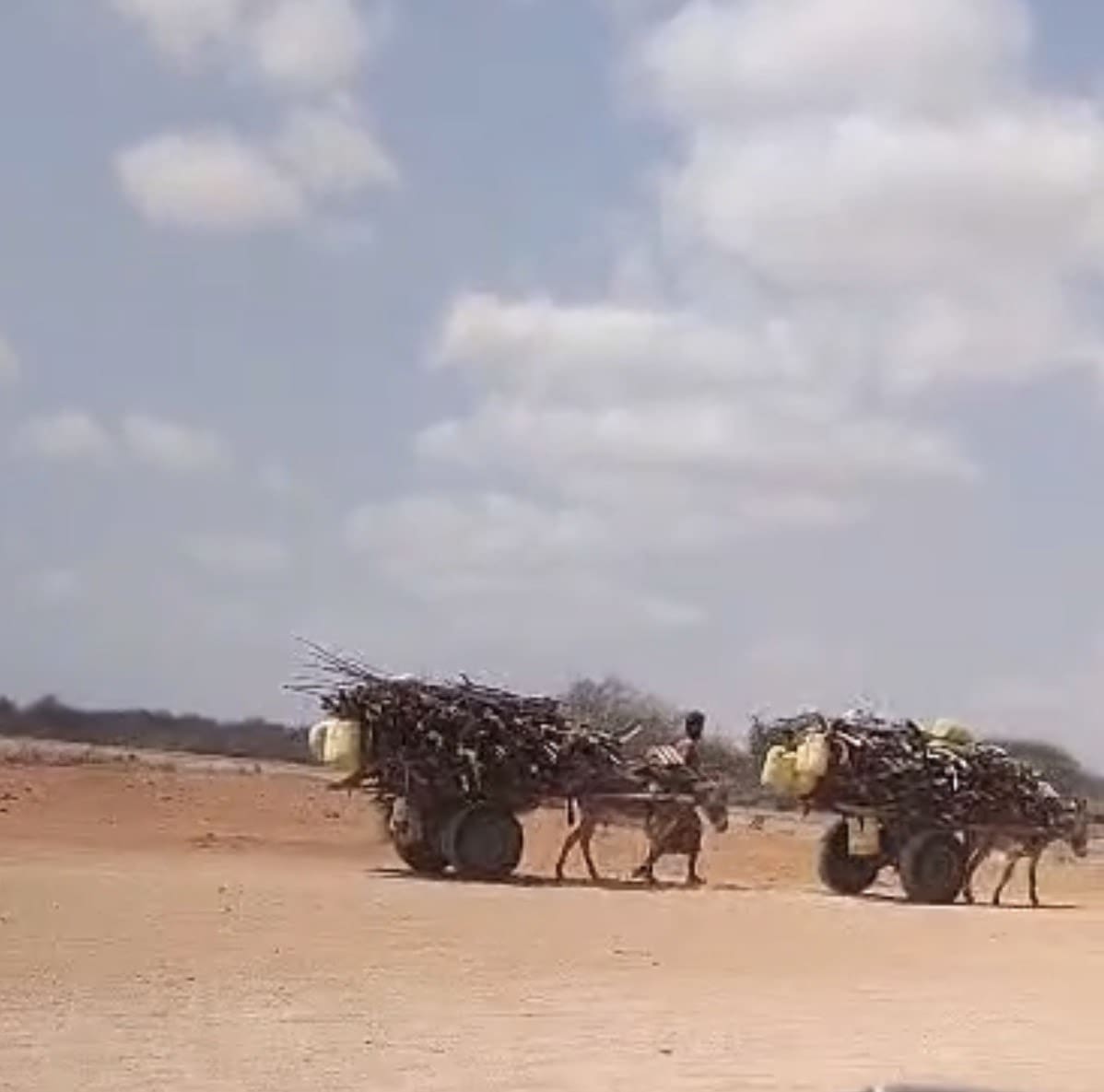
Dadaab’s Hagadera refugee camp and nearby host communities face increasing insecurity, economic pressures, and social tensions exacerbated by aid reductions under the Differentiated Assistance Framework (DFA). Refugees and hosts both report rising theft, gender‑based violence, youth unemployment, and social fragmentation—conditions that threaten peace and community resilience.
The October 2025 Peace Impact Framework (PIF) monitoring exercise for the Watha Nolasho – Dadaab Communities for Peace project assessed progress toward strengthening community resilience to violent conflict across Hagadera refugee camp and the Borehole 5 host community.
The study, informed by surveys reaching 238 respondents and four focus group discussions, reveals a complex mix of positive peace indicators alongside emerging risks that require targeted programmatic attention.
The following were the key findings:
- Community safety perceptions remain exceptionally high, yet women continue to feel less safe—both offline and online—highlighting deep gendered vulnerabilities that require targeted attention.
- Although 92% of respondents believe they can influence change, barely half take action, revealing a critical gap between agency and real‑world engagement, especially among youth.
- Despite the low agency, youths emerge as the most active investors in peace, both in time and resources—positioning them as critical drivers of sustainable, community‑led resilience.
- An alarming 83% of community members feel dehumanized, with Hagadera showing the most acute levels.
- Half of all respondents believe violence is acceptable in certain circumstances, driven primarily by resource exclusion and fear—a risk that is significantly higher in Borehole 5.
- Trust in authorities is uneven: while government legitimacy is strong, INGOs and CSOs face notable confidence gaps among host communities—underscoring the need for greater transparency and engagement.
Together, these findings highlight both the urgency and the opportunity to deepen inclusive, community‑driven peacebuilding. With sustained support, Watha Nolasho can continue strengthening the resilience, agency, and cohesion of refugee and host communities navigating profound social and economic pressures
You must be logged in in order to leave a comment